Election Scam Texts Are Flooding Phones: FBI and IC3 Issue Joint Warning
What to know before voting day about voter fraud schemes and fake registration texts


Election scam texts are SMS messages that impersonate official voter registration systems, election boards, or political organizations to steal your Social Security number, driver's license data, and other identity documents. The FBI and IC3 have issued joint public service announcements warning that these texts exploit the urgency window around registration deadlines and polling location changes.
TL;DR:
- FBI IC3 issued multiple warnings about election-themed SMS scams impersonating voter registration systems
- Scammers exploit political urgency windows to harvest Social Security numbers and identity documents
- The fake voter registration text is the highest-risk variant, directing you to cloned .gov-style sites
- Traceback reveals hidden or blocked follow-up calls in 1.3 seconds
- Action checklist: verify everything through your official state election website, never click SMS links, forward scam texts to 7726
Photo: Pixabay
What are election scam texts and how do they work?
Election scam texts are fraudulent SMS messages designed to steal your identity by impersonating official government election offices, nonpartisan voter registration groups, or campaign organizations. Scammers send these messages during election season when voters are most likely to engage.
The scam works in two primary variants. The first is the fake voter registration text. You receive a message claiming your voter registration is incomplete, expired, or under review. The message includes a link to a cloned website that looks like your state's official election portal. When you click and enter your Social Security number, driver's license number, or date of birth to "verify" your status, scammers capture that data instantly.
The second variant is the polling location change alert. The message claims your polling place has moved or your vote-by-mail ballot was rejected. Again, it includes a link requesting personal information to "confirm" your new location or resubmit your ballot. Both variants share the same goal: identity theft.
The FBI IC3 has documented a surge in these attacks during every election cycle. Scammers know voters are paying attention, registration deadlines create real urgency, and most people trust text messages that appear to come from official sources. The FTC has flagged election smishing as one of the fastest-growing fraud categories.
How can I tell if a voter registration text is fake?
Five red flags indicate a scam text. First, the message uses a shortened URL (bit.ly, tinyurl) instead of your state's official .gov domain. Legitimate election offices send links directly to vote.state.gov or sos.state.gov addresses, never through third-party URL shorteners.
Second, the language is urgent and threatening: "Your registration expires TODAY" or "Failure to respond will invalidate your vote." Real election officials communicate deadlines clearly but never threaten immediate disenfranchisement via text.
Third, the message requests your Social Security number or driver's license number via link. No legitimate government agency asks you to submit these via an SMS link. If you need to verify your registration, you go directly to your state's election website, not through a text link.
Fourth, the sender is a random 10-digit number or short code that doesn't match your state's official election office contact. Check your state's election office directory at Vote.org to confirm legitimate sender IDs.
Fifth, the message includes threats of vote invalidation if you don't act immediately. Real voter registration systems don't work that way. If there's a problem with your registration, you receive a physical letter, not a text message demanding instant action.
When any of these flags appear, delete the message and verify your registration status directly at USA.gov's voter confirmation page.
What happens if I click a link in an election scam text?
The attack chain moves fast. You click the link and land on a cloned version of your state's election website. The design, logo, and layout match the real site perfectly. The URL might be vote-michigan.com instead of michigan.gov/vote, a difference most people miss on a phone screen.
The site presents a form requesting your full name, date of birth, Social Security number, driver's license number, and current address. You enter the data thinking you're verifying your registration. Within seconds, scammers harvest that information.
Next, they use your data to attempt secondary phishing targeting your family members. If the original scam captured your name and address, scammers send follow-up texts to people in your household claiming to be election officials who need to verify "everyone at this address."
Stolen SSNs and driver's license numbers enable account takeover (logging into your bank or credit card accounts using your identity), tax fraud (filing a fake return under your name to steal your refund), and synthetic identity fraud (combining your real SSN with a fake name to open new credit lines). The FBI has investigated massive leaks of driver's license data, showing how valuable this information is on criminal markets.
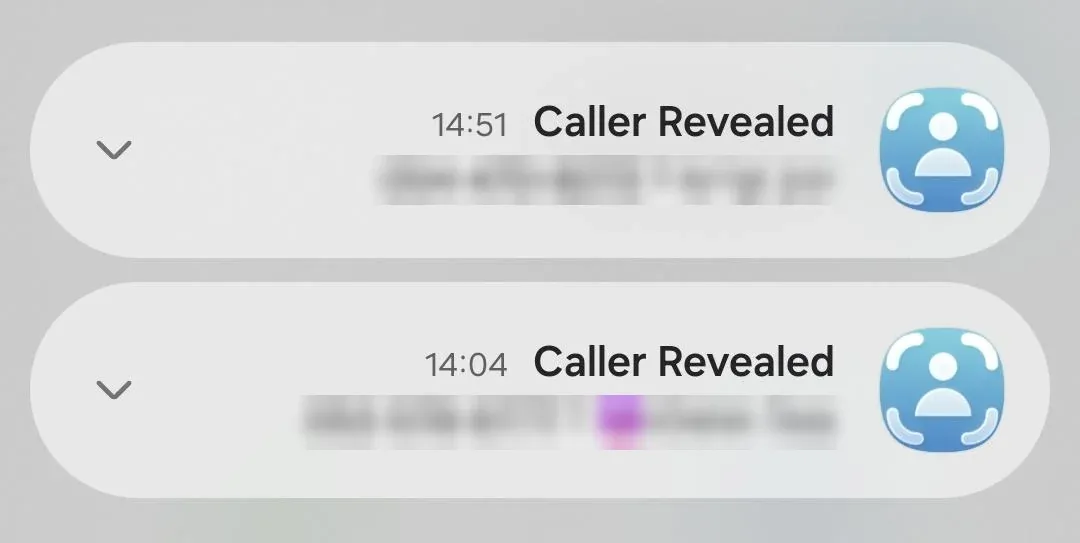
Scammers often follow up the text with spoofed or blocked phone calls pressuring you to "complete" your registration. When you receive a call from a hidden or blocked number, Traceback can reveal the actual caller using conditional call forwarding. The app captures the real number in 1.3 seconds so you know who is actually calling.
Are these scams only targeting one political party?
No. Scammers impersonate both major parties, nonpartisan voter registration organizations, and official election boards. They don't care about politics. They care about the urgency window and high engagement rates during election season.
You might receive a text claiming to be from "Voter Services for Republican Registration" one day and "Democratic Voter Alliance" the next. Both are fake. The sender isn't trying to suppress votes for one party. The sender is trying to steal as many Social Security numbers as possible before Election Day.
Scammers also impersonate nonpartisan organizations like the League of Women Voters or Rock the Vote. The brand doesn't matter. The pattern is identical: urgent language, a link to a cloned site, and a form requesting identity documents.
The CISA (Cybersecurity and Infrastructure Security Agency) has published voter guidance emphasizing that no legitimate political organization or voter registration group will ever ask for your SSN via text link. If you receive a message claiming to represent any political entity and requesting personal data, it's a scam.
What should I do if I receive a suspicious voter registration text?
Do not click any link in the message. Even if the text looks legitimate, do not tap anything. Clicking can trigger malware downloads or redirect you to a phishing site.
Screenshot the message. Capture the sender's number, the full text, and the link (without clicking it). This evidence is critical for reporting.
Verify your registration status at your official state .gov site. Go directly to your state's election office website by typing the URL into your browser or using USA.gov's voter confirmation tool. Never use the link from the text.
Forward the scam to 7726 (SPAM). This shortcode routes the message to your carrier's fraud team, who can block the sender and flag the attack for other subscribers.
If the sender keeps calling with a hidden or blocked number, Traceback can help reveal who is actually calling. The app uses conditional call forwarding to capture the real phone number in 1.3 seconds. You can try it free by visiting Traceback's pricing page. Once you have the real number, include it in your report to IC3 or your carrier.
Report the scam to IC3.gov with your screenshots. The FBI's Internet Crime Complaint Center tracks election fraud patterns and uses reports like yours to build enforcement cases.
Can Traceback help me identify who's behind election spam calls?
Yes. Scammers often follow up fake texts with spoofed or blocked phone calls. They know you're more likely to engage if you think the call is from an official source. When those calls arrive as a hidden or blocked number, your phone screen shows nothing useful.
Traceback uses conditional call forwarding to reveal the real number behind hidden and blocked calls in 1.3 seconds. When a blocked call comes in, you tap "Reveal" in the app. Traceback redirects the call through its system, captures the actual phone number, and surfaces the name when available.
This works because scammers can't hide from conditional call forwarding. Even when they block their caller ID or use spoofing tactics, the underlying carrier routing still contains the real number. Traceback extracts it before you pick up.
Once you have the real number, you can report it to IC3.gov with confidence. Your complaint includes actionable data, not just a screenshot of a hidden number. Traceback also generates a detailed call report you can save, export, and attach to your fraud report. Thousands of people use Traceback to reveal who is calling from a hidden number, and the app maintains strong ratings across platforms.
You can start with a free trial to test the reveal feature before committing. Visit Traceback's pricing page for details.
What's the difference between election scam texts and regular phishing texts?
Timing. Election scam texts spike during election seasons. Regular phishing texts happen year-round. Scammers know voter attention peaks during election periods, so they concentrate attacks when engagement rates are highest.
Impersonation targets. Election scams impersonate government election offices, nonpartisan voter registration groups, and campaign organizations. Regular phishing texts impersonate Amazon, your bank, or package delivery services. The brand changes, but the tactic stays the same: steal your data via a fake link.
Psychological trigger. Election scams exploit civic duty and fear of disenfranchisement. You worry that if you don't act, you won't be able to vote. Regular phishing texts exploit convenience (package delivery) or fear (account suspension). Both rely on urgency, but election scams add a layer of democratic responsibility that makes people drop their guard.
Theft goal. Election scams primarily harvest Social Security numbers, driver's license data, and date of birth. That's identity-theft-grade information. Regular phishing texts often go after credit card numbers or login credentials. Election scams aim higher because voter registration forms request SSNs as standard practice, making the ask seem legitimate.
The FTC has documented how scammers adapt phishing playbooks to election cycles. The mechanics stay the same (urgent message, fake link, data harvesting), but the costume changes to match what you're already thinking about.
Where do I report election-related SMS scams?
Forward the message to 7726 (SPAM). This shortcode works on all major US carriers (Verizon, T-Mobile, AT&T). Your carrier's fraud team receives the message, blocks the sender, and flags the attack for other subscribers.
File a complaint at IC3.gov with screenshots. The FBI's Internet Crime Complaint Center tracks election fraud trends and coordinates with state and federal prosecutors. Include the sender's number, the full text of the message, and the fraudulent link (do not click it). If the scammer escalated to phone calls and you used Traceback to reveal the hidden number, attach the call report. That gives IC3 a real phone number to investigate, not just a screenshot of a blocked number.
Report to your state's election office fraud hotline. Every state maintains a hotline for reporting election-related fraud. You can find yours at Vote.org's state election office directory. Some states track SMS scams separately from in-person fraud, and your report helps election officials warn other voters in real time.
If you already clicked the link and entered personal information, freeze your credit reports immediately. Contact Equifax, Experian, and TransUnion to place a security freeze. This prevents scammers from opening new credit lines under your name using the stolen data.
If the scammer continues to harass you with follow-up calls from hidden or blocked numbers, Traceback can help you capture the real phone number. The app's free trial lets you test the reveal feature before committing. Visit Traceback's pricing page to get started.
What to do right now if you get an election scam text
- Do not click any link in the message, even if it looks official.
- Screenshot the text, capturing the sender's number and the full message.
- Verify your voter registration at your state's official .gov site (not the link in the text).
- Forward the scam text to 7726 (SPAM) so your carrier can block the sender.
- File a complaint at IC3.gov with your screenshots attached.
- If the sender calls from a hidden or blocked number, use Traceback to reveal the real phone number in 1.3 seconds.
- Report the scam to your state's election office fraud hotline (find yours at Vote.org).
- Forward this checklist to family members who may be higher-risk targets (elderly relatives, first-time voters).
- If you already clicked and entered personal data, freeze your credit reports at Equifax, Experian, and TransUnion immediately.
Scammers know you're paying attention right now. Don't let urgency override verification. Try Traceback's free trial today so the next time a blocked number follows up that fake voter text, you'll see exactly who's calling.
Related: Property Scam Alert: Fraudsters Are Using Your Own Phone Number to Steal Your Home
By the Traceback Editorial Team · Last reviewed October 2026
Traceback is a caller ID reveal app built by a studio of software engineers and operators. Our app has revealed 167,000+ hidden and No Caller ID calls for 34,000+ people. We cite primary sources inline and review every article before publishing.
⚠️ Disclaimer: This article is general information only and does not constitute legal advice. For any specific legal situation, consult a qualified attorney. Traceback is not responsible for legal outcomes.