FBI Warns: Scammers Now Impersonating the IC3 to Steal Money and Data
The agency that fights scams is now being impersonated in a meta-scam. Here's how to spot fake IC3 communications.

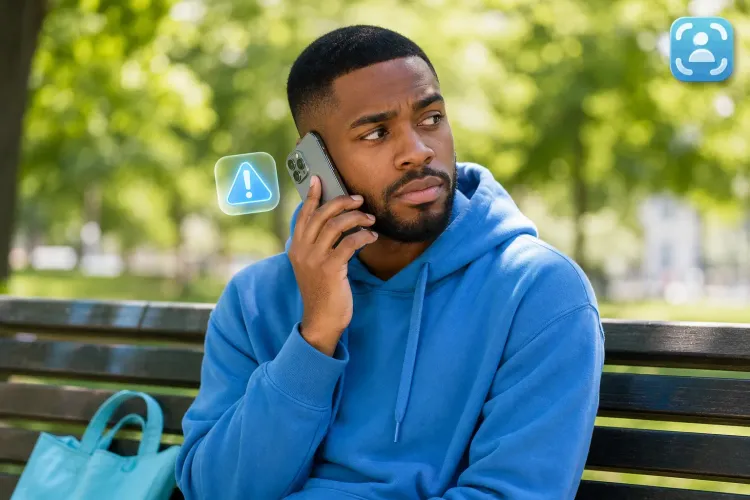
You just filed a fraud report with the FBI's Internet Crime Complaint Center. Two days later, someone claiming to be an IC3 investigator calls. They say they've located your stolen money and can return it within 48 hours. You just need to pay a small processing fee.
That investigator is a scammer. You're being robbed again, by criminals who know you're already vulnerable because you reported the first crime. This is FBI IC3 scam impersonation, and it's happening right now to people who thought they were finally getting help.
How the IC3 Impersonation Scam Works
Scammers scrape public fraud reports, buy victim lists from dark web forums, or monitor IC3 filing confirmations. Then they strike while victims are still rattled from the initial loss. The approach is simple: pose as the agency that fights cybercrime and exploit the trust that comes with that badge.
The contact arrives via phone, text, or email. Phone calls often show up as No Caller ID or with caller ID spoofed to display legitimate FBI field office numbers. Texts arrive from numbers that look official. Emails come from domains designed to mimic .gov addresses (ic3-recovery.com, fbi-icthree.net, ic3.gov.support) or from free providers like Gmail.
The pitch is always the same: "We've located your funds. To release them, we need..."
Some demand a processing fee (usually a few hundred dollars to make it believable). Others ask for bank account details "to deposit the recovered funds." The most aggressive request remote desktop access using TeamViewer, AnyDesk, or similar software, claiming they need to "secure your system" or "verify your identity."
Once victims pay or grant access, the second theft begins. Bank accounts get drained. Personal data gets harvested for identity fraud. Remote sessions install malware that tracks keystrokes and steals credentials.
These scammers know exactly what real IC3 communications look like because they study them. They use case numbers pulled from your original report. They cite details you provided. They sound professional, urgent, and legitimate. And they count on you being too desperate for good news to verify their identity.
The real IC3 doesn't work this way, which is why verification matters more than ever.
How to Verify Real IC3 Contact (Because They Rarely Initiate It)
Here's what actual IC3 communication looks like: after you file a report at ic3.gov, you receive an automated confirmation email from @ic3.gov with a complaint number. That's usually the last direct contact you'll have unless your case escalates to a field office investigation, which happens in a tiny fraction of reports.
Even when cases do escalate, FBI field agents follow strict protocols. They identify themselves with full name and badge number. They use official .gov email addresses. They never ask for money, never promise fund recovery guarantees, and never request remote access to your devices.
If someone claiming to be IC3 or FBI contacts you out of the blue, use this verification playbook:
Hang up immediately. Don't engage. Don't answer questions, no matter how official they sound.
Look up the FBI field office number independently. Use FBI.gov's field office locator, not the number from caller ID or the message you received. Scammers spoof those.
Call back through official channels. Ask the switchboard operator to connect you to the agent by name. Request badge number verification.
Demand written confirmation via official email. Real agents will send follow-up from @fbi.gov or @ic3.gov addresses. Check the full email header (not just the display name) to verify the domain.
Use Traceback to see who's actually calling. When someone contacts you from a No Caller ID or blocked number claiming to be a federal agent, Traceback reveals the real number by using conditional call forwarding. If the number doesn't match official FBI listings, you know it's fake.
Never pay fees to recover funds. The FBI does not charge victims processing fees, verification deposits, or administrative costs. Any request for money is a scam.
The verification step that matters most? Assuming contact is fake until proven otherwise. Government impersonation scams work because victims default to trust. Flip that assumption.
What to do right now
- If you've filed an IC3 report recently, expect silence (not outreach). Save the confirmation email and complaint number for your records.
- Never pay fees to anyone claiming they can recover stolen funds. The real IC3 does not charge victims or promise recovery.
- If someone claiming to be IC3 contacts you, hang up and verify independently by calling the official FBI field office through the number at FBI.gov.
- Report the impersonation attempt immediately by filing a new complaint at IC3.gov and noting it's a follow-on scam.
- If you granted remote access, disconnect from the internet, run a full malware scan, change all passwords from a clean device, and consider contacting CISA for device compromise guidance.
- If you paid a fake IC3 agent, contact your bank to dispute charges, file a fraud report, and freeze affected accounts. Visit IdentityTheft.gov for recovery steps.
Real IC3 vs. Fake IC3: How to Tell the Difference
| Contact Detail | Real IC3 | Fake IC3 (Scammer) |
|---|---|---|
| Initiates contact | Almost never (auto-email confirmation only) | Calls, texts, or emails out of the blue |
| Requests fees | Never asks for money | Demands "processing fees" or "verification deposits" |
| Email domain | @ic3.gov or @fbi.gov only | Gmail, Outlook, or fake domains (ic3-recovery.com) |
| Remote access | Never requests this | Asks for TeamViewer, AnyDesk, or remote desktop control |
| Caller ID | If they call, shows real FBI field office | Spoofed to look like FBI, or shows as No Caller ID |
| Promises | No guarantees about fund recovery | Guarantees they've "found your money" |
FAQ
Q: Does the real IC3 ever call or text people who file reports?
A: Rarely, and only if a case is escalated to an FBI field office for active investigation. Standard IC3 reports receive an automated confirmation email from @ic3.gov with a complaint number. That's typically the only direct communication. If your case does escalate, agents follow strict protocols: full name, badge number, written confirmation via .gov email. They never initiate contact demanding fees or remote access.
Q: What does impersonation scam mean in this context?
A: Criminals pose as trusted authorities (in this case, the FBI's Internet Crime Complaint Center) to exploit victims' trust and steal money, data, or device access. The scam works because victims assume anyone claiming to represent law enforcement is legitimate, especially when they're desperate for help recovering from fraud.
Q: What do I do if I already paid a fake IC3 agent?
A: Act immediately. File a new IC3 report at IC3.gov documenting the follow-on scam. Contact your bank or payment provider to dispute the charges and freeze affected accounts. File a fraud report with your local police. Consider a credit freeze through the major bureaus. Visit IdentityTheft.gov for step-by-step recovery guidance. If you granted remote access, assume your device is compromised and follow the steps in the "What to do right now" section above.
Q: Can Traceback help me verify who's calling when they claim to be IC3?
A: Yes. Traceback reveals the real number behind blocked and No Caller ID calls, so you can see if the call is actually originating from an FBI field office or from an overseas call center. If the revealed number doesn't match official FBI listings at FBI.gov, you know it's a scam.
Q: Where can I find real IC3 impersonation scam news updates?
A: Check the official FBI.gov newsroom and IC3.gov for verified alerts. The FBI publishes warnings about government impersonation scams at FBI.gov/news/stories/government-impersonation-scams. For broader fraud trends, monitor FTC consumer alerts. Always verify news through official .gov domains, not social media or third-party sites.
If you've filed an IC3 report and someone reaches out claiming to help, stop and verify before you do anything. Never let urgency or desperation override verification. The scammers count on your fear. Prove them wrong by hanging up and calling back through official channels. Your second chance to protect yourself starts now.
Related: Property Scam Alert: Fraudsters Are Using Your Own Phone Number to Steal Your Home
By the Traceback Editorial Team · Last reviewed July 2026
Traceback is a caller ID reveal app built by a studio of software engineers and operators. Our app has revealed 167,000+ hidden and No Caller ID calls for 34,000+ people. We cite primary sources inline and review every article before publishing.
⚠️ Disclaimer: This article is general information only and does not constitute legal advice. For any specific legal situation, consult a qualified attorney. Traceback is not responsible for legal outcomes.