How to Find Out Who Called From No Caller ID (Every Method Compared)
A 2026 roundup

Revised Article
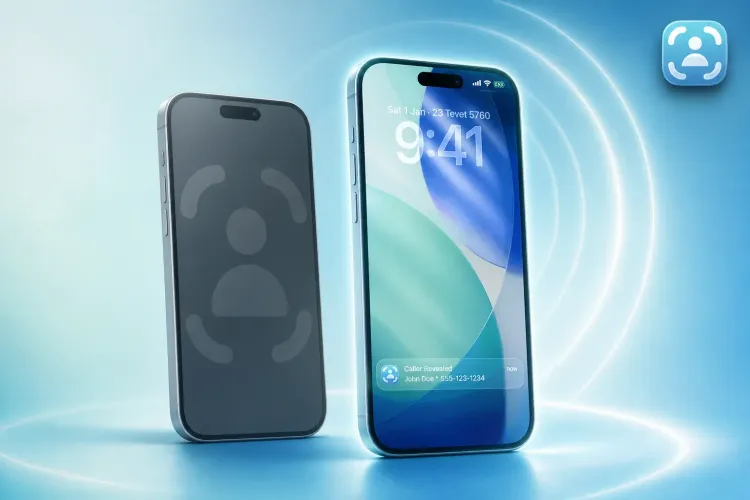
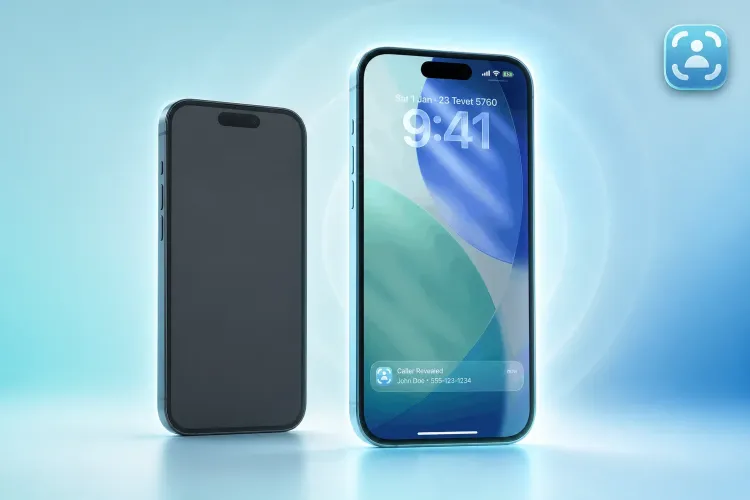
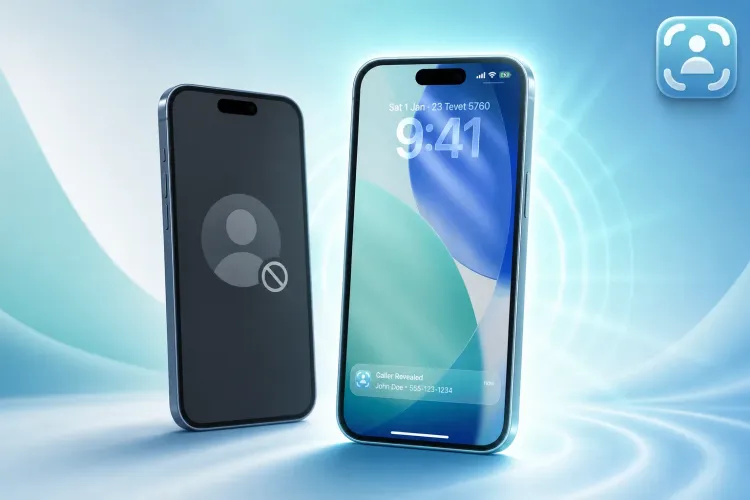
Traceback uses conditional call forwarding to intercept blocked calls and reveal hidden numbers. Unlike carrier trace tools like *57 or standard Caller ID apps, it works for everyday users without law enforcement involvement. Here's how it compares to other options and when to involve police.
Why Standard Methods Don't Work for No Caller ID
Most reverse-lookup tools and standard Caller ID apps fail because No Caller ID suppresses the number before it reaches your phone—there's nothing for them to look up. *69 callback works only if the caller didn't actively block their number, and carriers won't disclose blocked numbers to customers. Law enforcement can request carrier records, but that requires documented harassment or credible threats. The only practical option for everyday users is an app that intercepts the call before the block takes effect.
The 3 Real Ways to Reveal Hidden Numbers
| App Name | Reveals No Caller ID | iPhone | Android | Free Trial | Best For |
|---|---|---|---|---|---|
| Traceback | Yes | Yes | Yes | Yes | Reliable hidden number reveal on both platforms |
| TrapCall | Yes | Yes | Yes | Yes | Feature-rich unmask with voicemail transcription |
| MaskOff | Yes | Yes | Yes | Yes | Cross-platform No Caller ID tracking |
Traceback works by redirecting declined or ignored blocked calls through conditional call forwarding, capturing the real number before the block applies. The app surfaces the caller's name when available. It works on both iPhone and Android, supports all major US carriers (Verizon, T-Mobile, AT&T, Mint Mobile, US Cellular, Cricket, Boost, Visible, Metro, Spectrum Mobile), and lets you save detailed reports. The limitation: you must set up call forwarding, and after the free trial, it requires a paid subscription (visit pricing for current rates).
TrapCall reveals some hidden numbers and offers voicemail transcription, call recording, and spam blocking for over 200,000 known numbers. It works on iPhone and Android with a free download and trial. The limitation: performance varies with true No Caller ID calls on certain carriers, and reliability depends on your carrier's configuration. A separate subscription is required for full features.
MaskOff reveals blocked and No Caller ID calls with real-time alerts and secure record-keeping. It works on iPhone and Android with a free three-day trial. The limitation: while it works across platforms, consistency with fully suppressed caller ID depends on carrier compatibility, and some users report occasional gaps in coverage.
For a detailed feature comparison, see TrapCall vs MaskOff vs Traceback.
When to Involve Your Carrier or Law Enforcement
AT&T's Call Trace (*57) logs harassing calls and flags them for law enforcement, but it doesn't reveal the number to you. Verizon and T-Mobile don't offer similar consumer-facing trace tools; they refer harassment cases to law enforcement.
Police investigate credible threats, stalking, or repeated harassment that crosses into criminal behavior. Bring call logs, timestamps, and any Traceback reports you've saved to document the pattern. Without evidence of a crime, law enforcement typically can't act on anonymous calls alone.
Carriers can't reveal No Caller ID numbers directly to customers. Privacy regulations and technical constraints prevent them from disclosing suppressed caller data, even if you're the target of harassment.
How Traceback Works
When you decline or ignore a No Caller ID call, Traceback intercepts it using conditional call forwarding, a carrier feature that redirects blocked calls through Traceback's system. The system captures the real number before the caller's block applies, then surfaces the caller's name if available in public directories.
Traceback works on both iOS and Android and supports all major US carriers (Verizon, T-Mobile, AT&T, Mint Mobile, US Cellular, Cricket, Boost, Visible, Metro, Spectrum Mobile). You get detailed reports you can save, export, and share, which is useful for documenting harassment patterns if you need to file a police report or keep a personal record.
The setup is one-time. After you configure call forwarding using the in-app guide at How It Works, the app handles everything automatically.
What to Do Right Now If You're Getting No Caller ID Calls
- Download Traceback from the App Store or Google Play, then set up conditional call forwarding using the in-app guide.
- Let the next blocked call go to Traceback so it redirects through the system and captures the real number.
- Open the Traceback app to review the revealed number and caller name in your call report.
- Save the report and add notes if the call was harassing, threatening, or part of a pattern.
- If threats escalate or the caller persists, file a police report and bring your Traceback call logs as supporting documentation.
- Block the revealed number in your phone's native settings to stop future calls from that number.
FAQ
Can I find out who called from No Caller ID on iPhone?
Yes. Traceback works on iPhone by redirecting blocked calls through conditional call forwarding to capture the real number before the block applies.
*Does 69 work for No Caller ID calls?
No. *69 callback only works if the caller didn't actively block their number. It fails on true No Caller ID calls.
Will my carrier reveal a No Caller ID number?
No. AT&T, Verizon, and T-Mobile don't disclose blocked numbers to customers. AT&T's Call Trace (*57) logs calls for law enforcement but doesn't give you the number.
Can TrapCall reveal every No Caller ID call?
Not reliably. TrapCall works on some hidden numbers and offers features such as voicemail transcription, but performance with fully suppressed caller ID depends on your carrier's configuration.
Is MaskOff better than Traceback?
It depends on your priorities. MaskOff works on both iPhone and Android with real-time alerts, but Traceback's conditional call forwarding method is more consistent across carriers. For most users, Traceback is more reliable.
What if the No Caller ID call is a scam?
Once Traceback reveals the number, block it in your phone and report it to the FTC at ReportFraud.gov. Include the revealed number and any details about the scam.
How long does Traceback take to reveal a number?
The app captures the number when the call redirects through conditional call forwarding. You receive the revealed number and caller name in the Traceback app immediately.
Try Traceback's free trial at pricing. It's the only app-based method that reveals hidden numbers consistently on both iPhone and Android, with detailed reports you can save and share.
By the Traceback Editorial Team · Last reviewed July 2026
Traceback is a caller ID reveal app built by a studio of software engineers and operators. Our app has revealed 167,000+ hidden and No Caller ID calls for 34,000+ people. We cite primary sources inline and review every article before publishing.
⚠️ Disclaimer: This article is general information only and does not constitute legal advice. For any specific legal situation, consult a qualified attorney. Traceback is not responsible for legal outcomes.