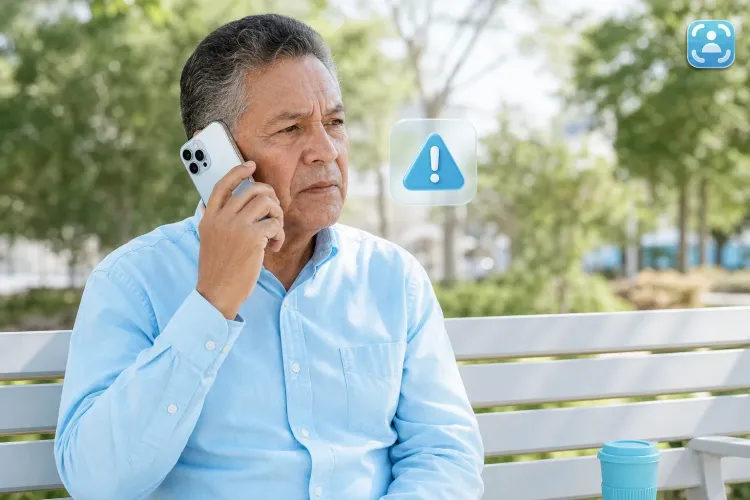
FTC Warns: Recovery Scammers Now Target Victims Who Already Lost Money
The second wave of fraud that hits when you're most vulnerable


The FTC warns about recovery scammers: criminals who specifically hunt people who've already been defrauded, then promise to get their money back for an upfront fee. If you lost money to a phone scam, crypto fraud, or romance scheme, you're now on a target list for round two.
This is the cruelest evolution in fraud. You're broke, embarrassed, and desperate. Then someone calls with exactly what you need to hear: "We can recover your funds." They know how much you lost. They know the scammer's script. They sound official, use legal jargon, and reference real agencies like the FTC or FBI. You pay the "recovery fee," and they vanish.
The second hit often exceeds the first.
What the FTC Is Warning About
Recovery scammers contact fraud victims through calls, emails, and texts claiming they can retrieve lost funds. The timing is calculated: they strike weeks after the original scam, when victims are most vulnerable and actively searching for solutions.
The core tactic is consistent. They pose as lawyers, government investigators, or "recovery specialists." They reference real agencies (FTC, FBI IC3, state consumer protection offices). They demand upfront fees, sometimes labeled as "processing costs," "legal retainers," or "international transfer charges." The fees range from hundreds to thousands of dollars.
Once you pay, they disappear. Or they return claiming complications require another payment. The cycle continues until you stop sending money.
The FTC's official recovery scam warning emphasizes one critical fact: legitimate government agencies never charge fees to recover money you've lost to fraud. If someone asks for payment to help you, they're running a scam.
How Recovery Scammers Find You (And Why They're So Convincing)
After the first scam, your information circulates. Dark web victim lists trade names, phone numbers, email addresses, and loss amounts. Social media groups for scam victims become hunting grounds. Public court records and complaint databases provide leads.
Recovery scammers already know your story when they call. They know the amount you lost. They know whether it was a tech-support scam, a romance scam, or a crypto investment fraud. They use this intelligence to sound credible.
Say you lost $8,000 to a fake IRS agent. A "recovery specialist" calls saying they're with the Treasury Inspector General and they've frozen the scammer's account. They just need $1,200 to process the asset recovery paperwork. They reference your exact loss amount, the date of the transfer, and the county where you filed your police report.
That level of detail creates trust, but it's all harvested data. The scammer isn't with the Treasury. There's no frozen account. The $1,200 goes straight into the same criminal network that took your first $8,000.
They use official-sounding titles: "Lead Investigator," "Fraud Recovery Advocate," "International Asset Retrieval Specialist." They cite case numbers and send fake legal documents with government seals downloaded from Google Images. They create pressure by claiming the "recovery window" closes in 48 hours.
Many use No Caller ID or blocked numbers to hide their real identity. A real lawyer or agency has no reason to hide. If a "recovery specialist" calls from a hidden number, decline the call. With Traceback set up, you'll see the real number behind it, which you can then look up and report.
The Red Flags You Can't Ignore
Any contact that includes these elements is a recovery scam:
Upfront fees. Legitimate attorneys work on contingency for fraud recovery (you pay only if they win). Government agencies never charge to investigate or recover funds. If they ask for money before they do anything, hang up.
Pressure tactics. "The recovery window closes tonight." "If you don't act now, the funds will be permanently lost." Scammers use urgency to bypass your judgment.
Unsolicited contact. You didn't reach out to them. They found you. Real recovery services don't cold-call victims.
Guarantees. No one can guarantee recovery of scammed funds. If they promise a full refund, they're lying.
Request for personal financial information. They ask for your bank account number, credit card, or Social Security number to "process the recovery." This is identity theft layered on top of fraud.
Communication only through untraceable channels. They insist on talking over WhatsApp, Telegram, or encrypted apps. They refuse to provide a physical office address or a verifiable phone number.
If you're getting follow-up calls after a scam and the caller's number is hidden, verify who's actually calling before you share any information.
What to Do Right Now
- Screenshot or record any contact from someone claiming they can recover your money (email, text, voicemail, caller ID if visible).
- Do not pay any upfront fees, no matter how official the request sounds.
- If the caller's number is hidden or shows as No Caller ID, verify the number independently before responding.
- Verify the caller independently. Look up the agency or law firm they claim to represent, call the official number (not the number they provide), and ask if that person works there.
- Report the recovery scam attempt at reportfraud.ftc.gov and ic3.gov.
- Check the Better Business Bureau Scam Tracker to see if others have reported the same "recovery service."
- If you already paid a recovery scammer, file a complaint immediately and contact your bank or payment provider to dispute the charge.
Real recovery happens through official channels: your bank's fraud department, law enforcement, the FTC, and in some cases, licensed attorneys who work on contingency. It does not happen through cold calls demanding upfront payment.
FAQ
Can you actually get scammed money back?
Sometimes, but rarely in full. Your bank or credit card issuer may reverse charges if you report quickly. Law enforcement can freeze assets in ongoing investigations. Licensed attorneys can pursue civil recovery on a contingency basis (no upfront fees). Most scammed funds are not recovered, which is why prevention is critical.
How do I know if a recovery offer is fake?
If they contacted you first, ask for upfront fees, guarantee results, or pressure you to act immediately, it's fake. Legitimate recovery never works that way.
What should I do if a "lawyer" contacts me about my scam?
Verify independently. Look up the law firm online, call their official number, and confirm that person works there and is handling your case. If they're calling from a hidden number, verify the real number before you engage. Never pay fees upfront. Real attorneys work on contingency for fraud cases.
Are recovery scams illegal?
Yes. Recovery scams are prosecuted as wire fraud, mail fraud, and extortion under federal law. Report them to the FBI IC3 and the FTC.
How to recover from a scammer emotionally and financially?
File reports with the FTC, FBI IC3, and local police immediately. Contact your bank to dispute charges. Change all passwords and enable two-factor authentication. Consider a credit freeze. Join support groups (check AARP Fraud Watch for resources). Recovery is a process, not a single event.
What do legitimate recovery services look like?
Licensed attorneys who specialize in fraud recovery work on contingency (you pay only if they win). They provide verifiable office addresses, bar association credentials, and clear engagement letters. They never demand upfront fees or contact you unsolicited.
How to recover scammed money through proper channels?
Contact your bank or credit card company immediately to dispute fraudulent charges. File a complaint with the FTC and FBI IC3. If the loss was substantial, consult a licensed attorney who specializes in fraud recovery (they work on contingency, not upfront fees). Report to local police. Monitor your credit and freeze it if identity theft occurred.
You're Most Vulnerable Right After the First Hit
The window between the original scam and the recovery scam is when you're most exposed. You're angry, embarrassed, and desperate to undo the damage. Recovery scammers exploit that exact emotional state.
If you get a call claiming to offer help, slow down and verify before you engage. If the number is hidden, check it independently before responding. If they ask for money upfront, end the conversation. Real help doesn't work that way.
The FTC keeps warning about recovery scams because they keep working. Victims who already lost money are losing again. The second round often exceeds the first because the scammer knows you're willing to pay to fix the problem.
Don't give them that chance. The moment you see a recovery scammer's real number, you take control back. The next time a "specialist" calls from No Caller ID promising to recover your crypto or your Social Security fraud loss, verify who's on the other end before they get another word in.
Stay sharp. The second wave is worse than the first, but only if you let it hit.
Related: Property Scam Alert: Fraudsters Are Using Your Own Phone Number to Steal Your Home
By the Traceback Editorial Team · Last reviewed October 2026
Traceback is a caller ID reveal app built by a studio of software engineers and operators. We cite primary sources inline and review every article before publishing.
⚠️ Disclaimer: This article is general information only and does not constitute legal advice. For any specific legal situation, consult a qualified attorney. Traceback is not responsible for legal outcomes.
Tom Aflalo is co-founder of Traceback, the app that reveals the real number behind hidden and No Caller ID calls. He works on the product and on the guides in this blog and help center, which are checked against how the app actually works.
feedback@trytraceback.com