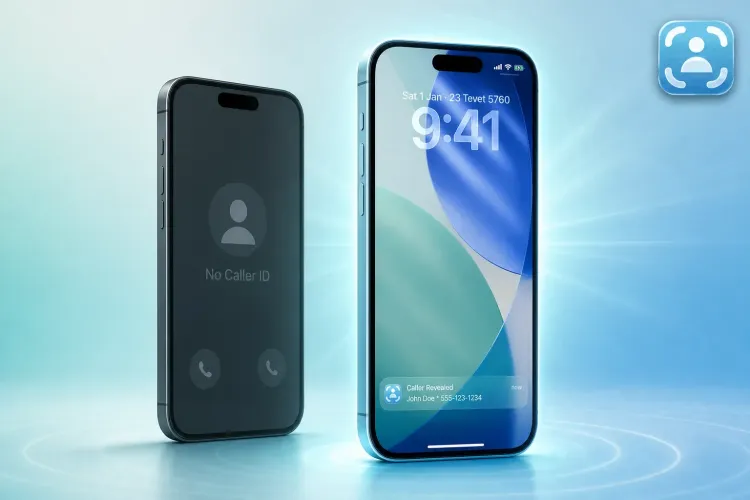
Private number calling me: how to find out who it is
Practical methods to unmask private and No Caller ID calls

Your phone rings. The screen says "Private Number." You stare at it, thumb hovering over the green button, and the same question loops: Who is this? You can answer the question without answering the call.
A private number hides the caller's identity by blocking Caller ID at the network level. Your phone displays "Private," "Blocked," "No Caller ID," or "Unknown" instead of a real number. This isn't spoofing (where a fake number appears), it's masking (where no number appears at all). The caller toggled a feature, and now you're flying blind.
Here's what you need to know. A private number can be anyone: a doctor's office protecting patient privacy, a job recruiter calling from a personal line, a delivery driver running late, or a telemarketer who knows you're more likely to ignore calls you recognize. The feature itself is neutral. Context decides whether you should care.
You have three practical methods to reveal these calls. One works within seconds and gives you a PDF report. The other two are slower, spottier, and often fail on robocalls. We'll walk through all three, then show you what to do once you know who's calling.

Photo: Pixabay
What Does "Private Number" Actually Mean?
A private number is any call where the sender blocked Caller ID before dialing. Your phone receives the call, but the network strips the number before it reaches your screen. You see a label ("Private," "Blocked," "Restricted," "No Caller ID," "Unknown") instead of digits.
This is different from a spoofed number. Spoofing means the caller faked the number you see (maybe it looks like a local area code, or it says "Medicare Services"). A private number shows nothing to fake. The number is hidden, not replaced. Most spam filters struggle with private numbers because there's no number to match against a database.
Both legitimate and unwanted callers use this feature. A hospital might block Caller ID to comply with HIPAA. A debt collector might block it to get past your mental filter. The label alone tells you nothing about intent.
Why Is a Private Number Calling You?
Private numbers break into two buckets: wanted and unwanted.
Legitimate reasons:
- Medical offices protecting patient privacy
- Job recruiters calling from personal phones
- Delivery drivers using their own devices
- Government agencies (some local offices, not federal impersonators)
- Schools contacting parents about urgent issues
- Lawyers or social workers reaching out on sensitive matters
Unwanted reasons:
- Telemarketers who know blocked numbers get more pickups
- Robocallers cycling through number lists
- Collection agencies trying to bypass your ignore reflex
- Someone you blocked who's routing around it
- Prank callers or persistent ex-contacts
The feature is a tool. It protects privacy or exploits it, depending on who's holding it.
How to Find Out Who's Calling from a Private Number
You have three options. Speed and reliability vary.
1. Use conditional call forwarding through Traceback
This is the fastest method. You set up conditional call forwarding on your phone (takes under two minutes). When a private or No Caller ID call arrives and you decline it or let it ring out, your carrier automatically forwards that call to Traceback's system. Traceback captures the real number, surfaces the caller's name when available, and logs it in your app.
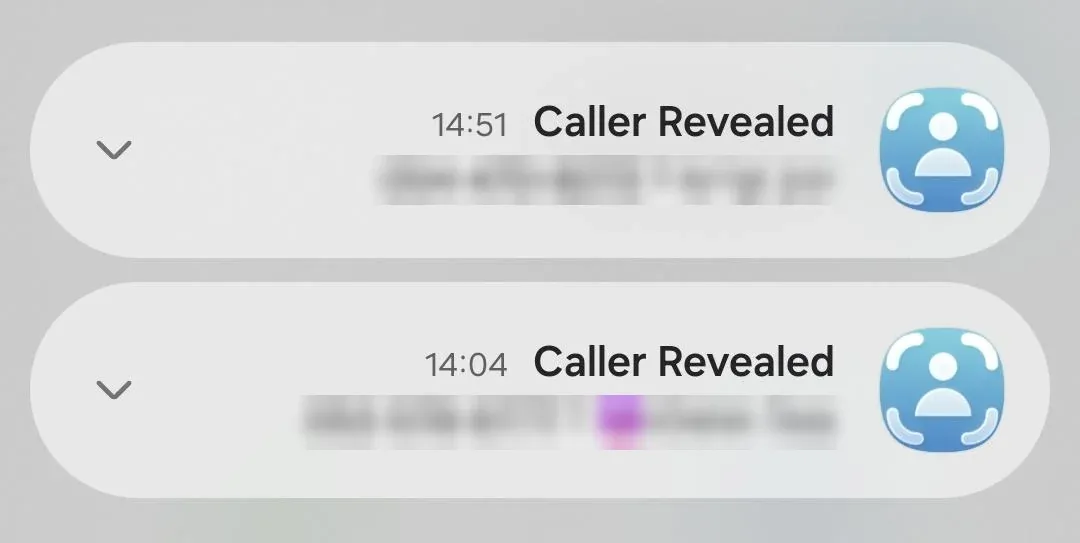
Here's how it works:
- Download Traceback from the App Store or Google Play.
- Open the app and create your account (you get a free trial to test it).
- Follow the in-app setup to enable conditional call forwarding. You dial a short code provided by the app, your carrier confirms, done.
- The next time a private number calls and you decline or ignore it, Traceback reveals the real number within seconds.
- Open the app to see the number, the caller's name (when available), and the timestamp.
- Save a PDF report if you need documentation.
This works on iOS and Android. Supported carriers include Verizon, AT&T, T-Mobile, Mint Mobile, US Cellular, Cricket, Boost, Visible, Metro by T-Mobile, and Spectrum Mobile. Traceback has revealed 167,000+ hidden and No Caller ID calls for 34,000+ users (Source: Traceback internal data, 2026).
You're not calling anyone back. You're not waiting on hold with your carrier. You set it once, and private numbers that call you get revealed automatically when you decline the call. Learn more about how conditional call forwarding works.
2. Try *69 (Last Call Return)
Some carriers let you dial *69 after a call to hear the last number that contacted you, even if it was blocked. A recorded voice reads the number aloud. You can sometimes press 1 to call it back.
Limitations:
- Availability depends on your carrier, plan and region, so it may not work on your line.
- Often charges a fee ($1-2 per use, depending on your plan).
- Fails on robocalls and most telemarketers (they route through call centers with rotating numbers).
- Gives you a number, but no name and no record.
This is worth one try if you missed a single call and suspect it's someone you know. If it's a pattern, *69 won't scale.
3. Contact your carrier directly
Verizon, T-Mobile, and AT&T offer call tracing if you file a harassment report. You dial a code (usually *57) immediately after a harassing call. Your carrier logs the number internally and may share it with law enforcement if you file a police report.
The process:
- Call your carrier's customer service and explain you're receiving harassing calls from a private number.
- They may ask you to dial
*57after the next occurrence. - The carrier logs the call in their system.
- You file a police report and reference the trace.
- The carrier may (or may not) share the number with authorities.
- You might never see the number yourself.
This method is slow (days to weeks), requires multiple incidents, and offers no guarantees. It's designed for criminal harassment cases, not everyday nuisance calls.
Comparison: Methods to Reveal Private Numbers
| Method | Speed | Cost | What You Get | Limitations |
|---|---|---|---|---|
| Traceback (conditional call forwarding) | Within seconds | Free trial, then paid (see pricing) | Real number, name when available, PDF report | Requires setup; supported carriers only |
| *69 (Last Call Return) | Immediate (if it works) | Free or $1-2 per use (carrier-dependent) | Verbal playback of last caller's number | Availability varies by carrier; often fails on robocalls; no name |
| Carrier call tracing | Days to weeks | Free (with harassment report) | Number shared with carrier, sometimes with you | Slow; requires multiple incidents; not guaranteed |
| Letting it go to voicemail | Immediate | Free | Caller may leave name or number | They often don't leave a message |
If you need a number once and think it's a friend, try *69. If private numbers call you regularly and you want control, set up Traceback. If you're dealing with criminal harassment, file a carrier trace and a police report simultaneously.
When You Shouldn't Answer a Private Number
Some patterns scream "unwanted call." Recognize these, and let them ring:
- Calls late at night (after 10 PM) or very early (before 8 AM). Legitimate callers respect your time.
- Repeated calls with no voicemail. If it's important, they leave a message.
- Immediate hang-ups when you answer. This is an autodialer checking if your number is active.
- Calls at the same time daily. Robocall scripts run on schedules.
- Long pause after you say hello, then a recorded voice. Classic autodialer pattern.
If you see any of these, don't answer. Set up Traceback to reveal the next call, save the number, and block it. You can also report persistent robocallers to the FCC.
For more on the difference between private, unknown, and No Caller ID labels, read Private vs Unknown Calls: What's the Difference.
Can You Call a Private Number Back?
Usually no. The number is masked at the network level, so there's nothing in your call log to dial. Your phone shows "Private Number" with no digits attached.
*69 is the exception (if your carrier supports it and the call wasn't a robocall). You dial it, hear the number, and decide whether to call back. But *69 fails more often than it works.
Traceback solves this differently. You don't call back. You reveal the number forward, meaning the next time they call, you see who it is in real time. Once you have the real number, you can block it, save it, or call it on your terms. Learn how to unmask a No Caller ID call with Traceback.
What to Do Right Now If a Private Number Keeps Calling
- Check if the timing matches a pending appointment, delivery, or job application. That narrows the list.
- Let it go to voicemail once. If it's legitimate, they'll leave a message.
- If it's persistent or feels off, download Traceback and set up conditional call forwarding.
- The next time the private number calls, decline it. Traceback reveals the real number within seconds.
- Open the app to see the number and name (when available).
- Save a PDF report of the call if you need documentation. Learn how to generate a PDF.
- Block the real number directly on your phone, or report it to the FTC if it's illegal robocalling.
- If it's someone you know bypassing a block, address it directly or file a harassment report with local police.
You don't have to guess. You can know.
FAQ
Q: What does it mean when a private number calls me?
A: The caller blocked their Caller ID, so your phone shows "Private," "Blocked," or "No Caller ID" instead of their real number. It's a network-level feature anyone can toggle.
Q: Can I call a private number back?
A: Usually no. The number is hidden from your call log. *69 sometimes works, but often fails. Traceback reveals the number forward, so you see it the next time they call.
Q: How do I stop private numbers from calling me?
A: Most phones let you silence unknown callers in settings. On iPhone, go to Settings > Phone > Silence Unknown Callers (Apple Support guide). On Android, the option varies by manufacturer (Google Support guide). This sends private numbers straight to voicemail. Or reveal the real number with Traceback and block it directly.
Q: Is it illegal to call from a private number?
A: No. Blocking Caller ID is legal. What matters is the caller's intent. Harassment, robocalls, and some telemarketing calls are illegal regardless of whether the number shows (FCC Spoofing and Caller ID).
Q: Why do private numbers call and hang up?
A: Often it's an autodialer checking if your number is active, or a caller who got nervous and hung up. Reveal the real number, then block it.
Q: Can my carrier tell me who called from a private number?
A: Sometimes. Verizon, T-Mobile, and AT&T offer call tracing if you file a harassment report, but it's slow and not guaranteed. Traceback reveals it within seconds. Check if your carrier is supported here.
Q: Do private numbers show up on my phone bill?
A: They may appear as a call record with no number, just a timestamp. Your carrier has the real number in their logs, but you won't see it on your bill.
Q: What's the difference between a private number and a blocked number?
A: "Private number" means the caller blocked Caller ID. "Blocked number" can mean that, or it can mean you blocked someone's number on your end. Context tells you which.
Next time a private number calls you, you don't have to wonder. Set up Traceback in under two minutes and reveal who's really calling, then decide what to do with the real number in front of you. You can start with a free trial to test it on the next call.
Related: What Does No Caller ID Mean? No Caller ID vs Unknown vs Private, Explained
⚠️ Disclaimer: This article is general information only and does not constitute legal advice. For any specific legal situation, consult a qualified attorney. Traceback is not responsible for legal outcomes.
Tom Aflalo is co-founder of Traceback, the app that reveals the real number behind hidden and No Caller ID calls. He works on the product and on the guides in this blog and help center, which are checked against how the app actually works.
feedback@trytraceback.com