Only 14% of People Answer Unknown Calls Now — Here's Why That's a Problem (and a Solution)
The trust crisis in phone calls is breaking legitimate communication. Here's how to fix it without answering every spam call.


We've collectively decided to ghost our own phones. Only 14% of people will answer a call from a number they don't recognize (Source: Hiya State of the Call Report, Tier 2). That means 86% of us ignore unknown calls outright, and that mass screening behavior is breaking more than spam.
Doctors can't reach you. Schools leave voicemails about sick kids. Delivery drivers stand outside your door. Job recruiters move on. Pharmacies give up.
The problem isn't that we're screening calls. It's that we can't investigate them safely after. Traceback fixes that. It reveals the real number behind blocked, declined, and No Caller ID calls in 1.3 seconds, so you can check who called without answering spam. Keep your screening habits. Just add visibility.
Why We Stopped Answering Unknown Calls (and Why That Makes Sense)
Spam trained us to distrust our phones.
The FTC logged billions of robocall complaints over the past decade. Scammers spoofed caller IDs to look like local numbers, Medicare hotlines, or the IRS. They impersonated banks. They faked utility shutoff threats. They called from numbers that looked one digit off from your own (neighbor spoofing). The volume was relentless, and the FCC's STIR/SHAKEN mandate in 2020 hasn't stopped it.
So we adapted. We stopped answering.
That's rational self-defense. If you don't recognize the number, you let it ring. If they're real, they'll leave a voicemail. Except they often don't, or by the time you check, it's too late.
The 14% answer rate from Hiya isn't just a stat. It's a behavioral shift. Phones went from trusted communication tools to spam delivery systems, and we responded by turning them into voicemail-only devices for strangers.
But that solution creates new problems.
The Collateral Damage: When Ignoring Unknown Calls Backfires
Say your kid's school calls at 10:30 a.m. from a number you don't have saved. You're in a meeting. The call rings through. You see "Unknown." You decline.
By lunchtime, you check voicemail. Your daughter has a fever. The nurse needs you to pick her up. You're now two hours late.
Or the pharmacy calls to say your prescription is ready, but insurance flagged a problem. They leave no voicemail. You miss the window to fix it before the weekend.
Or a delivery driver tries calling because your gate code doesn't work. The package gets marked "undeliverable." You wait another three days.
Or a recruiter for a job you applied to two weeks ago finally reaches out. You don't recognize the number. You screen it. They leave no message. They call the next candidate.
These scenarios happen daily. Mass screening behavior solves the spam problem by creating a communication blackout. Legitimate callers get caught in the filter, and we miss the calls that actually matter.
The tragedy is that you can't tell the difference before answering. Every unknown number is Schrödinger's call, simultaneously spam and urgent until you interact. So you default to ignoring, and you hope nothing critical slips through.
That's not sustainable.
How to Investigate Unknown Calls Without Answering Them
Traceback lets you screen first, investigate after.
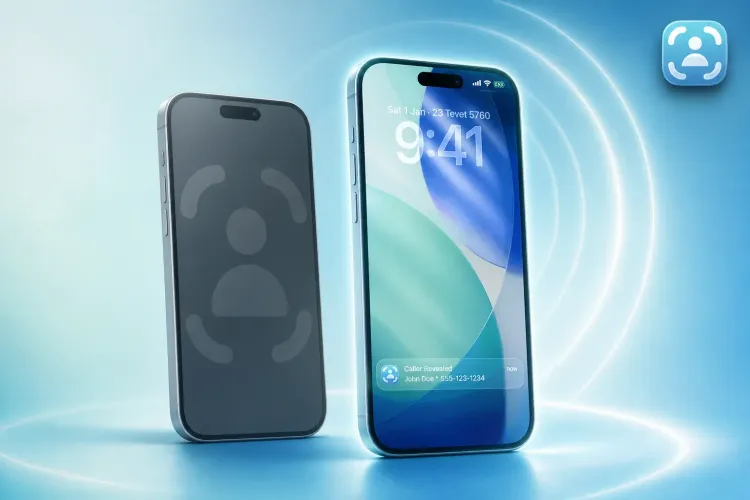
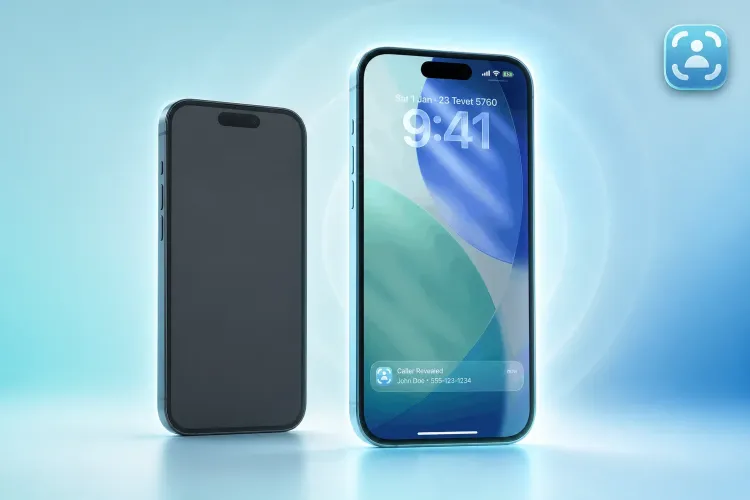
Here's how it works. You activate Traceback once, and it sets up conditional call forwarding on your phone. When you decline, ignore, or receive a call from No Caller ID, the call routes through Traceback's system for 1.3 seconds, where the real number is captured and logged. The app then surfaces the caller's name when available, giving you a detailed report you can review anytime.
You never answer spam. You just see who called.
If the number is a known scammer, you delete the report. If it's your daughter's school, you call back. If it's a recruiter, you follow up. If it's blocked or shows as No Caller ID, Traceback reveals the actual number behind it, something your phone's native caller ID can't do.
The system works with Verizon, T-Mobile, AT&T, Mint Mobile, US Cellular, Cricket, Boost, Visible, Metro, and Spectrum Mobile. It's compatible with both iOS and Android. It pairs seamlessly with Apple's Silence Unknown Callers feature and Android's built-in call screening. You keep those active, and Traceback fills the blind spot they create.
Unlike spam-blocking apps that only flag calls as "likely spam," Traceback reveals the actual identity. Unlike reverse lookup tools, it doesn't require you to already know the number. Unlike callback services that take minutes, it identifies calls in real time while your screening habits stay intact.
You can learn more about how the system works on Traceback's site. The short version is this: it restores trust in your phone without forcing you to answer every call.
For more on how Traceback compares to tools like Hiya and RoboKiller, see the comparison guides.
What to do right now
- Download Traceback from the App Store or Google Play.
- Open the app, create your account, and follow the setup flow to activate conditional call forwarding.
- Keep screening unknown calls exactly as you do now (decline, ignore, or let them go to voicemail).
- After screening, open Traceback to see who called, review the revealed number and name, and decide if it's worth calling back.
- Save important reports for reference, especially if the call was harassing or suspicious.
- Check Traceback's pricing to see subscription options (unlimited identifications).
FAQ
Q: Will Traceback stop spam calls from coming in?
No, it reveals who called after you screen them. Pair it with your carrier's spam filter or tools like those recommended by CTIA to block calls before they ring.
Q: Can I see who called even if they blocked their number?
Yes. Traceback captures No Caller ID and hidden numbers using conditional call forwarding, so you see the real number even when your phone shows nothing.
Q: Does this work if I let the call go to voicemail?
Yes. Declined, ignored, and unanswered calls route through Traceback's system and get logged for you to review.
Q: How fast does the lookup happen?
1.3 seconds on average. The call is identified while it's still ringing or just after you decline it.
Q: What if the caller is unlisted or the name doesn't appear?
You'll still see the real number, which you can then search yourself or add to your contacts if it turns out to be legitimate.
Q: Is this legal?
Yes. You're allowed to investigate who's calling your own phone. Traceback uses standard call-forwarding features that carriers already support.
Q: Does it work with Do Not Disturb or Silence Unknown Callers on iPhone?
Yes. Traceback works alongside Apple's Silence Unknown Callers and Android's call-screening features. Keep those active. Traceback reveals who got silenced so you can decide if they matter.
Q: Can I use these reports as evidence?
The reports are detailed and shareable, useful for your personal records or to submit to authorities. Consult a lawyer if you need formal evidence for any legal matter.
Q: What if the call was spam or a scam?
You'll see the number and can report it to the FTC or add it to your block list. The report gives you the information you need to take action.
Try Traceback free and see who's been calling. No risk. Just answers.
By the Traceback Editorial Team · Last reviewed October 2026
Traceback is a caller ID reveal app built by a studio of software engineers and operators. Our app has revealed 167,000+ hidden and No Caller ID calls for 34,000+ people. We cite primary sources inline and review every article before publishing.
⚠️ Disclaimer: This article is general information only and does not constitute legal advice. For any specific legal situation, consult a qualified attorney. Traceback is not responsible for legal outcomes.